Best Physiotherapist in Delhi for Physiotherapy Treatment
Supervised rehabilitation, pain management, and home physiotherapy services across Delhi NCR.
Call our physiotherapy team in Delhi for clinic-based treatment and home visit care. Improve mobility, reduce pain, and rebuild strength with assessment-led rehabilitation for injury recovery, chronic pain patterns and post-surgical support.
Introduction to Physiotherapy

Physiotherapy is an evidence-based healthcare profession focused on movement, function, pain management and physical independence. In today's demanding environment, the need for a highly skilled physiotherapist in Delhi has grown across office workers, older adults, athletes and post-surgery patients.
Physiotherapy emphasizes identifying mechanical, strength, mobility and movement-pattern contributors to pain. A good plan may include exercise, manual therapy, gait training, posture education, home exercises and coordination with a doctor or surgeon when needed.
When you search for a physiotherapy clinic Delhi relies on, you are seeking more than a generic exercise sheet. At Delhi Naturopathy Clinic, physiotherapy is paired with holistic wellness guidance so patients understand what to do in the clinic, at home, at work and during flare-ups.
What is Physiotherapy?
At its core, physiotherapy (also known as physical therapy) is a clinical health science dedicated to assessment, rehabilitation, prevention and self-management of physical impairments, disabilities and pain. A professional physiotherapist may use manual therapy, therapeutic exercise, electrical stimulation, ultrasound, gait training and targeted education when appropriate.
The discipline covers orthopedics, neurology, cardiopulmonary rehabilitation, geriatrics and sports recovery. The goal is practical: reduce pain where possible, improve mobility and strength, build balance, restore function and help patients participate actively in their own recovery.
Why People Search for Physiotherapist in Delhi
Delhi is a sprawling metropolis characterized by a high-pressure, fast-paced lifestyle. The unique demands of the city contribute significantly to the widespread need for physiotherapy services. From corporate professionals chained to their desks to athletes pushing their physical limits, the reasons people search for the best physiotherapist in Delhi are varied and complex.

- Sedentary Lifestyles and Ergonomic Stress: The prevalence of desk jobs leads to poor posture, resulting in chronic neck pain, back pain, and repetitive strain injuries.
- Aging Population: With an increasing number of elderly residents, there is a heightened demand for geriatric physiotherapy to manage osteoarthritis, balance disorders, and osteoporosis.
- Post-Surgical Rehabilitation: Following orthopedic surgeries such as knee or hip replacements, timely physiotherapy may be important for strength, range of motion and safe return to activity.
- Sports and Fitness Injuries: The rise in fitness consciousness has led to more sports-related injuries, requiring expert sports physiotherapy for quick return to activity.
- Traffic and Commute: Long hours in Delhi traffic can contribute to lower back strain, hip stiffness and sciatica-type discomfort.

Meet Dr. Vivek Mishra
Medical Director & Chief Naturopathic Physician
Leading the clinical team at Delhi Naturopathy Clinic, Dr. Vivek Mishra holds a BNYS and MD (Naturopathy & Yoga) with over 15 years of clinical experience. He brings a medicine-aware understanding of holistic natural healing, movement care and structural rehabilitation.
While physiotherapy focuses on mechanical rehabilitation, Dr. Mishra's integrative approach supports structural treatment with lifestyle, nutrition and naturopathic guidance where useful. His leadership keeps the page's promise practical: assessment, safe progression, clear home care and patient-centered follow-up.
How Physiotherapy Works
Physiotherapy is not a one-size-fits-all approach. It uses progressive assessment and rehabilitation to help patients move from pain or limitation toward safer daily function.
Assessment and Diagnosis
The process begins with assessment. The physiotherapist evaluates joint range of motion, muscle strength, neurological signs, pain behavior, balance, gait and movement patterns. Red flags are referred for medical evaluation.

Pain Management
Before functional restoration can begin, pain may need to be managed. Modalities such as TENS, ultrasound therapy, cryotherapy or thermotherapy may be used when appropriate to support comfort and movement tolerance.
Manual Therapy
Hands-on techniques can be part of physiotherapy. Joint mobilization, soft tissue work and myofascial release may help improve comfort and movement when combined with active rehabilitation.
Therapeutic Exercise
Exercise prescription is often the most important component for long-term recovery. Physiotherapists prescribe specific exercises to stretch tight muscles, strengthen weak stabilizers and retrain safer movement patterns.
Conditions Treated with Physiotherapy
Targeted rehabilitation for specific musculoskeletal and neurological issues.
Physiotherapy for Back Pain
Back pain is arguably the most common ailment treated at any physiotherapy clinic in Delhi. It can arise from herniated discs, muscle strains, degenerative disc disease, or poor posture. Physiotherapy for back pain focuses heavily on core stabilization. The "core" comprises the deep muscles of the abdomen and back that support the spine.

Treatment may involve McKenzie-style exercises, targeted stretching, core strengthening and ergonomic advice. By strengthening supportive muscles and changing daily movement habits, physiotherapy aims to reduce flare-ups rather than offer a quick fix.
Physiotherapy for Neck Pain
With the surge in digital device usage, neck pain, often referred to as "tech neck," and cervical spondylosis have become common in Delhi. Forward-head posture can strain the cervical spine and trapezius muscles.
Physiotherapy for neck pain may include gentle traction, soft tissue work, postural retraining and deep neck flexor strengthening. Dizziness, arm weakness, numbness, trauma or severe headache patterns are screened carefully before treatment.
Physiotherapy for Knee Pain
Knee pain, whether from osteoarthritis, ligament strain or meniscus injury, can strongly affect mobility. A physiotherapist evaluates the entire lower limb because hip, ankle, strength and balance issues may contribute to knee symptoms.
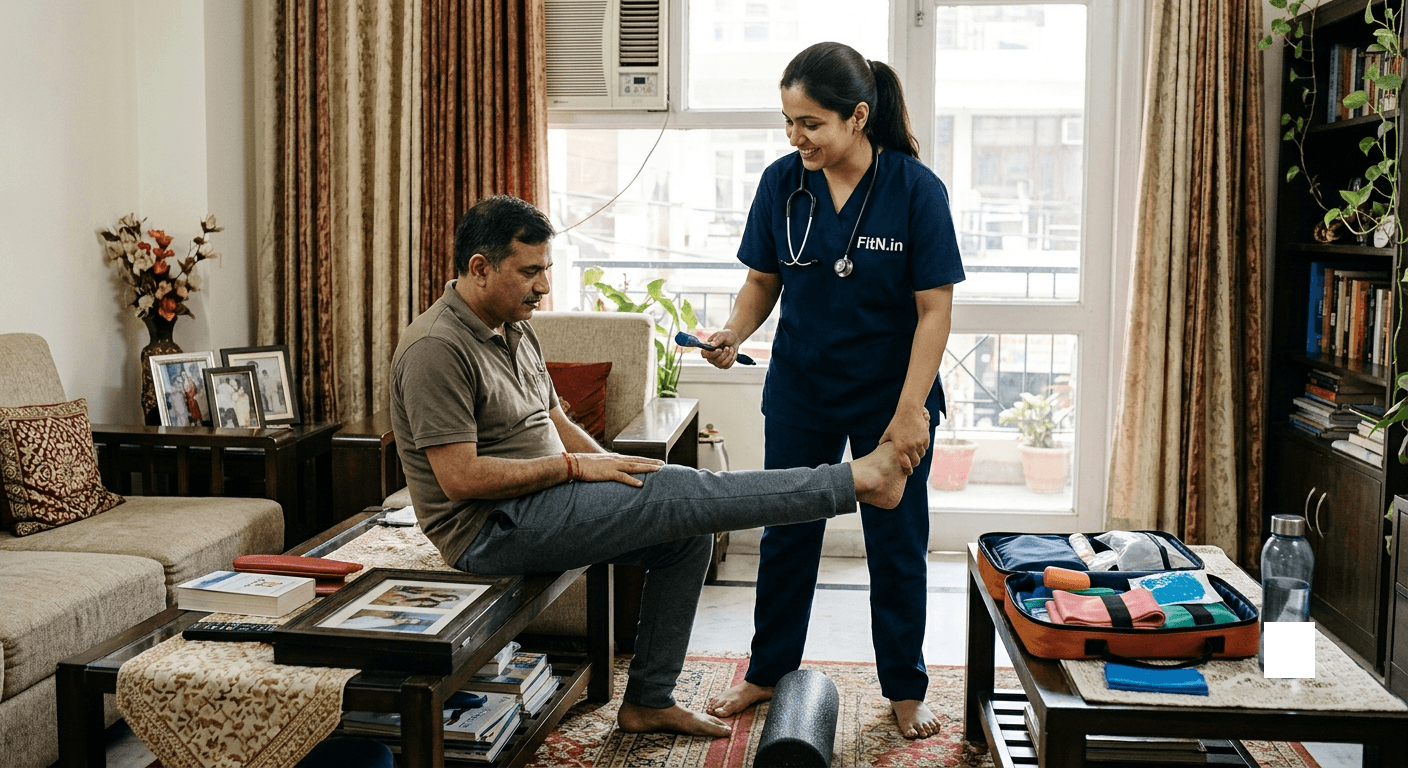
Treatment often incorporates closed-chain exercises, quadriceps and hamstring strengthening, balance work and gradual loading. Modalities may be used for comfort, but strength and movement retraining usually drive longer-term progress.
Physiotherapy for Shoulder Pain
Conditions like frozen shoulder, rotator cuff tendinopathy and shoulder impingement can limit daily activities. Physiotherapy may help by improving range of motion, scapular control and rotator cuff strength. Severe weakness, trauma or suspected tear needs medical assessment.
Physiotherapy for Sciatica
Sciatica is characterized by sharp, shooting or radiating leg pain and may involve nerve irritation from the lower back or hip region. Physiotherapy may include nerve-gliding, directional preference exercises, hip mobility and graded strengthening. Progressive weakness, numbness, saddle anesthesia or bladder/bowel symptoms need urgent medical care.
Physiotherapy for General Joint Pain
Beyond the major joints, physiotherapy supports elbows, wrists and ankles in conditions such as tennis elbow, carpal tunnel symptoms, sprains and plantar fasciitis. Treatment may include load management, eccentric exercises, bracing, taping and progressive strengthening to improve resilience and reduce pain.
Don't Let Pain Dictate Your Life
Whether you are struggling with chronic back pain, a recent sports injury, or post-surgical rehabilitation, our physiotherapists can guide safe recovery planning.
Specialized Physiotherapy Programs
Physiotherapy for Sports Injuries
Athletes require a specialized approach. Sports physiotherapy goes beyond basic pain relief; it focuses on safe return to training, load management, strength, mobility and sport-specific movement. Whether dealing with a ligament strain, hamstring injury or shin splints, the plan must match the sport.
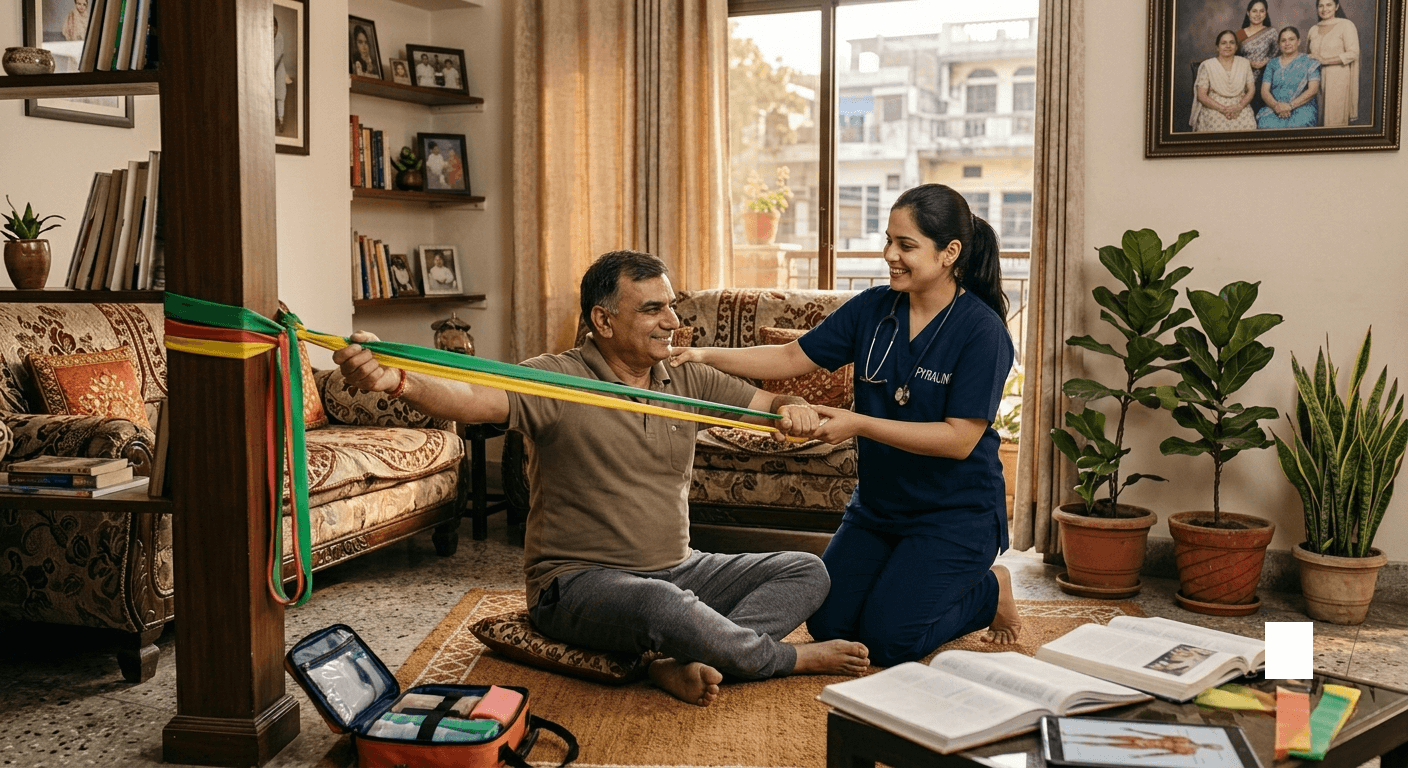
Rehabilitation may involve sport-specific drills, agility training and progressive loading so tissues adapt safely. Return-to-sport decisions are based on symptoms, strength, control and confidence rather than a fixed timeline.
Physiotherapy for Stroke Recovery
Neurological physiotherapy can be important for stroke survivors. A stroke may leave one-sided weakness, spasticity and coordination loss. Rehabilitation focuses on repeated, task-specific practice and safe functional training.
Repetitive, task-specific exercises may help patients practice standing, walking, reaching and balance. The plan should coordinate with the neurologist or rehabilitation physician where needed.
Physiotherapy for Post-Surgery Rehabilitation
Orthopedic surgeries such as total knee replacement, ACL reconstruction, hip replacement or spinal fusion often require structured post-operative rehabilitation. The plan should follow surgical restrictions and healing timelines.
Post-surgery physiotherapy may begin early when cleared by the surgical team. Initial phases focus on swelling, pain, safe mobility and joint protection. As healing progresses, the focus shifts to range of motion, strength, gait and return to daily activity.

Physiotherapy for Elderly Patients
Geriatric physiotherapy is dedicated to older adults. Aging may bring reduced bone density, arthritis, reduced balance and fall risk. Physiotherapy for elderly patients in Delhi prioritizes safe, low-impact strength, mobility and balance work while adapting to medical conditions and energy levels.
Physiotherapy for Women
Women's health physiotherapy may support pregnancy-related back pain, pelvic girdle pain, postnatal recovery, diastasis recti and pelvic floor concerns. Care is discreet, consent-led and coordinated with medical providers when symptoms are complex.
Home Physiotherapy and Home Visit Care in Delhi
We understand that severe pain, immobility, age or post-surgical recovery can make traveling to a clinic difficult. To bridge this gap, we offer home physiotherapy Delhi services with assessment-led care at your doorstep.

A home visit physiotherapist may bring portable equipment and a structured plan. Home physiotherapy can be useful for elderly patients, stroke survivors, post-surgery patients and people who cannot travel comfortably. We still keep safety and medical referral rules in place.
- Portable TENS & Ultrasound Equipment
- Personalized Home Exercise Programs
- Ergonomic Assessment of Living Space
- Convenient Scheduling
Female Physiotherapist in Delhi
Patient comfort and trust are paramount in physical rehabilitation. We recognize that due to cultural preferences, personal comfort levels, or the specific nature of the treatment (such as women's health or pelvic floor issues), many female patients prefer to be treated by a female practitioner.

Our clinic provides access to compassionate female physiotherapists in Delhi for both clinic and home visit appointments when available. Whether the concern is postnatal recovery, back pain, elderly care or privacy-sensitive rehabilitation, you can request a female practitioner.
What to Expect During a Physiotherapy Session

If you have never visited a physiotherapy clinic before, you might wonder what the process involves. A typical session is highly interactive and focused entirely on your specific needs.
- The Initial Assessment: The first visit is comprehensive. The physiotherapist will take a detailed medical history, listen to your symptoms, and perform physical tests to evaluate strength, range of motion, and joint stability.
- Goal Setting: Together, you will discuss realistic goals. Is your goal to return to playing tennis, or simply to walk up the stairs without knee pain? The treatment plan is built around these objectives.
- Active Treatment: Subsequent sessions will involve a mix of active therapies (exercises, stretching) and passive therapies (manual manipulation, ultrasound, heat/cold therapy).
- Education and Homework: A crucial part of physiotherapy is education. You will be taught how to manage your condition at home and prescribed specific exercises to perform between sessions to accelerate recovery.
20. Safety & Precautions
Physiotherapy is generally safe when individualized. Some mild muscle soreness after a session can be normal, similar to post-exercise fatigue. Pain that worsens sharply, swelling, fever, new weakness or neurological symptoms should be reported promptly.
21. Who Benefits
Many people with musculoskeletal pain, surgery recovery or mobility issues may benefit. This includes athletes, office workers with ergonomic pain, pregnant women when medically cleared, older adults and stroke survivors.
22. Who Should Be Cautious
While physiotherapy is widely applicable, individuals with active systemic infections, severe unhealed fractures, deep vein thrombosis (DVT), or uncontrolled cardiovascular issues must inform their physiotherapist. Certain modalities or vigorous exercises may need to be modified or delayed.
Physiotherapy vs Other Pain Relief Approaches
Physiotherapy vs. Painkillers
Pain medications can be useful when prescribed, especially in acute phases, but they do not rebuild strength, mobility, balance or movement confidence. Physiotherapy targets mechanical and functional contributors to pain while respecting ongoing medical care.
Physiotherapy vs. Surgery
For many musculoskeletal concerns, physiotherapy is considered a conservative first step. Surgery may still be needed for specific injuries or severe cases. The right pathway depends on diagnosis, imaging, symptoms, function and medical opinion.
Physiotherapy vs. Chiropractic Care
While both may support musculoskeletal pain, they differ in focus. Chiropractic care often emphasizes spinal and joint mechanics. Physiotherapy focuses on rehabilitation exercises, soft tissue function, strength, mobility and return to activity. Some patients benefit from a coordinated approach.
Why Choose Our Physiotherapy Service in Delhi
Delhi Naturopathy Clinic stands out by offering a genuinely patient-centered approach. We do not operate a "revolving door" clinic where patients are rushed.
- Experienced Practitioners: Our team supports orthopedic, neurological, sports, geriatric and post-surgery rehabilitation needs.
- Integrative Approach: Under Dr. Vivek Mishra's guidance, physiotherapy can integrate with naturopathic principles, nutrition, yoga and lifestyle support.
- One-on-One Attention: Every session is dedicated to you. We focus on manual therapy and supervised exercises, ensuring proper technique.
- Home Visit Convenience: Reliable, professional home physiotherapy services across Delhi for those unable to visit the clinic.
25. Areas We Serve in Delhi and Nearby Localities
Whether you need to visit our clinic or require a home visit physiotherapist, we serve patients across major localities in Delhi NCR, including:
Frequently Asked Questions
Common questions regarding physiotherapy treatment in Delhi.
What does a physiotherapist do?
A physiotherapist is a healthcare professional focused on assessing and managing movement problems, pain, injury recovery and disability. They use exercise, manual therapy, education and selected modalities to improve function, mobility and self-management.
Is physiotherapy safe?
Physiotherapy is generally safe when provided by a trained professional after assessment. Exercises and techniques are customized to the patient's condition, medical history, pain level and tolerance.
How many physiotherapy sessions are needed?
The number of sessions varies depending on the severity of the condition, chronicity, and the patient's individual response to treatment. Mild issues might require 3-5 sessions, while post-surgery rehab could take several weeks or months.
Can physiotherapy help back pain?
Physiotherapy can help many back pain cases through assessment, core strengthening, mobility work, posture correction, manual therapy and education. Severe pain, weakness, numbness or bladder/bowel symptoms need medical evaluation.
Can physiotherapy help neck pain?
Yes. Physiotherapy is often used for neck pain (cervical spondylosis or 'tech neck'). Treatments include manual traction, stretching exercises, postural correction, and strengthening the neck muscles to alleviate pain and stiffness.
Is home physiotherapy available in Delhi?
Yes, we offer home physiotherapy services in Delhi for patients who are elderly, bedridden, post-surgery, or simply prefer the convenience of receiving professional care in the comfort of their own home.
Do you provide female physiotherapist services?
Yes, we understand that many patients prefer a female physiotherapist for comfort and privacy. We have experienced female physiotherapists available for both clinic visits and home sessions in Delhi.
What conditions can physiotherapy treat?
Physiotherapy treats a wide array of conditions including back pain, neck pain, knee osteoarthritis, sports injuries, frozen shoulder, stroke rehabilitation, and post-surgical recovery.
Is physiotherapy helpful after surgery?
Post-surgery physiotherapy can be important for restoring strength, mobility, balance and confidence after orthopedic or neurological procedures. The timing and intensity should follow the surgeon's protocol and the patient's healing stage.
Can elderly patients take physiotherapy?
Yes, elderly patients may benefit from gentle physiotherapy for balance, fall-risk reduction, arthritis support, strength and independence. Plans are adapted to bone health, medical conditions and physical capacity.
What is the fee for physiotherapy in Delhi?
The fee depends on whether the treatment is at the clinic or at home, and the type of modalities required. We offer affordable, transparent pricing. Please contact our clinic directly for exact fee structures.
Does physiotherapy hurt?
Physiotherapy should not be severely painful. While some deep tissue work or stretching may cause temporary mild discomfort, the goal is pain relief. You should always communicate with your physiotherapist to ensure treatment remains within a comfortable limit.
Next useful pages
Physiotherapy, Pain & Yoga Links
Continue into pain-management pages, cervical support and the yoga-vs-physiotherapy decision guide.
Start Your Recovery Journey
Living with pain, limited mobility, or the aftermath of an injury can affect work, sleep and independence. Physiotherapy provides evidence-informed, medically responsible support for recovery. Whether you require sports rehabilitation, post-surgical care, or the convenience of a home visit, selecting the right physiotherapist in Delhi is an important step toward safer movement.
Book Your Physiotherapy Appointment
Ready to take control of your physical health? Contact us today to schedule your comprehensive physiotherapy assessment or inquire about our home visit services.