Yoga and Naturopathy Routine for Stress and Sleep
Stress and sleep problems often need simple routines repeated daily: breathwork, gentle movement, earlier meals, screen boundaries, relaxation and realistic follow-up.
Use this guide to build a simple evening routine that supports calmer sleep and a steadier nervous system.
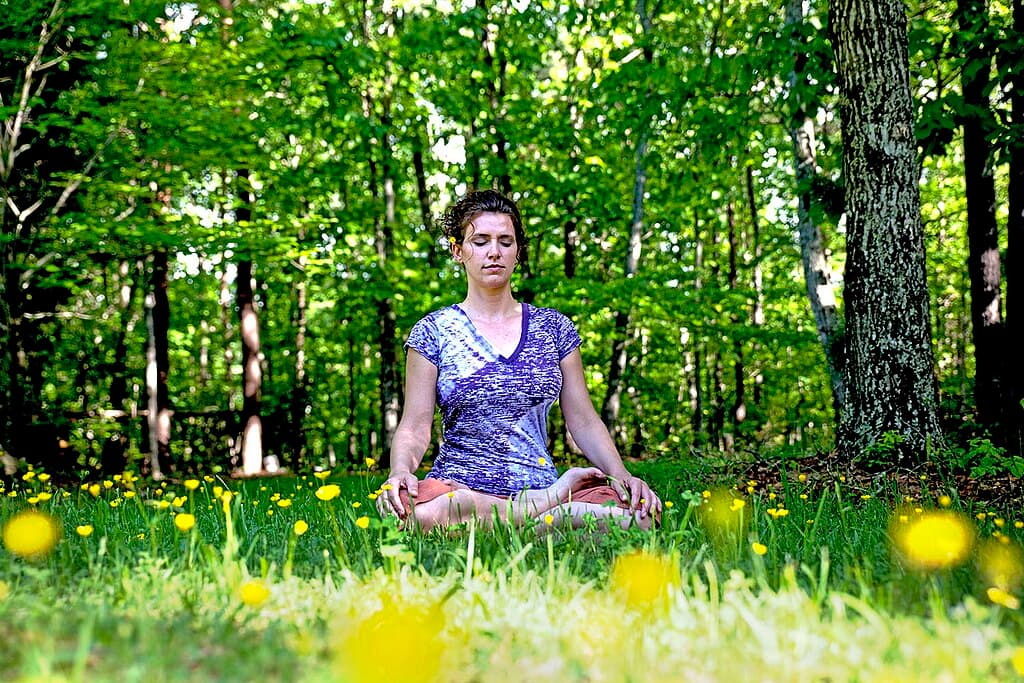
Why This Matters
Sleep and stress affect weight, sugar, BP, digestion, pain and hormones, so small repeatable routines can support several health goals together.
The routine needs to be easy enough to repeat
A stress and sleep plan fails when it is too ambitious. Many patients do better with 10 to 25 minutes of gentle yoga therapy, breathing practice, a fixed wind-down window and a lighter dinner than with a complex routine they cannot sustain.
Yoga therapy is different from a hard workout
For stressed, tired or sleep-deprived patients, the goal is nervous system settling, mobility, breath rhythm and relaxation. Strong exercise may help some people, but late intense workouts can worsen sleep in others.
Sleep problems can need medical evaluation
Long-term insomnia, severe anxiety, depression symptoms, loud snoring, breathing pauses, restless legs, uncontrolled pain or medicine side effects should be reviewed medically. Naturopathy support works best when risk signals are not ignored.
FAQ
Can yoga therapy help sleep?
Gentle yoga, breathing and routine correction can support relaxation and sleep quality for many patients, but persistent insomnia should be evaluated properly.
Should I do intense exercise at night for stress?
Some people tolerate it, but many stressed or sleep-deprived patients do better with gentle evening movement and stronger exercise earlier in the day.